Top 5 rodent control regulations every homeowner in Florida should know
Learn about essential rodent control regulations in Florida that every homeowner should understand to maintain a safe and healthy home.
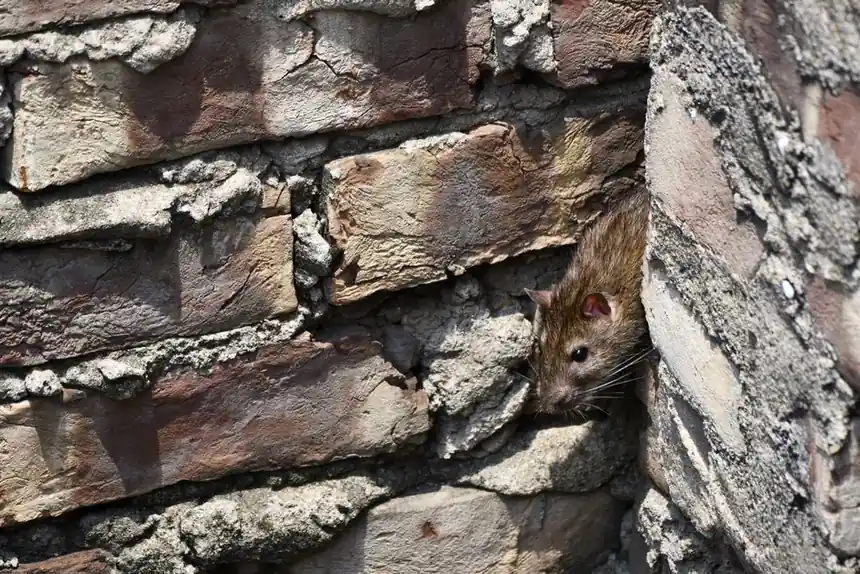
Understanding rodent control regulations is crucial for homeowners in Florida. These rules ensure safe living conditions while protecting public health and property. This article outlines the top five regulations you should know to manage rodent issues effectively and legally.
Rodent control regulations are guidelines and laws that govern how homeowners and pest control professionals manage rodent populations. These regulations are designed to protect public health, prevent property damage, and ensure humane treatment of animals.
What are rodent control regulations?
Rodent control regulations in Florida encompass a variety of laws and guidelines set forth by state and local authorities. These regulations include standards for pest control practices, health and safety protocols, and requirements for the humane treatment of rodents. Understanding these regulations can help homeowners avoid legal issues and ensure effective rodent management.
1. Florida Statute 482: Pest Control
Florida Statute 482 governs pest control practices in the state. It requires pest control operators to be licensed and adhere to specific guidelines when managing rodent populations. This statute aims to protect the public from unsafe pest control practices and ensure that treatments are effective and humane.
Homeowners should verify that any pest control company they hire is licensed under this statute. This can prevent potential legal issues and ensure that you receive Residential Rodent Control Florida services that comply with state regulations.
2. Local Ordinances
Many cities and counties in Florida have their own ordinances regarding rodent control. These local laws may specify how homeowners should manage rodent populations, including requirements for sanitation and property maintenance. For example, areas with a high rodent population may mandate that homeowners keep their yards clear of debris and standing water, which can attract rodents.
It's essential to check with your local government for specific ordinances that apply to your area, especially if you live in densely populated regions like Rodent Control in Miami or Rodent Control in Orlando.
3. Health Department Guidelines
The Florida Department of Health provides guidelines for managing rodents to protect public health. These guidelines emphasize the importance of sanitation, proper waste disposal, and immediate action when signs of rodent infestations are detected. Homeowners are encouraged to report any rodent sightings or infestations to local health authorities.
Following these guidelines not only helps maintain a healthy living environment but also aligns with the regulations governing rodent management in Florida.
4. Waste Management Regulations
Proper waste management is a critical aspect of rodent control. Florida regulations require homeowners to manage their waste effectively to prevent attracting rodents. This includes securing trash cans with tight-fitting lids, disposing of food waste promptly, and managing compost piles appropriately.
Failure to comply with these regulations can lead to increased rodent activity around your property, making professional Rodent Removal Florida services necessary.
5. Residential vs. Commercial Regulations
There are distinct differences between residential and commercial rodent control regulations in Florida. Commercial properties often face stricter guidelines due to higher traffic and the potential for greater public health risks. Business owners must comply with additional regulations regarding sanitation, pest control records, and reporting infestations.
Homeowners should be aware that while they may not face the same level of scrutiny, adhering to best practices in rodent management is still essential for maintaining a safe home environment.
Common mistakes in rodent control
Many homeowners make mistakes that can exacerbate rodent problems. Here are some common pitfalls:
- Neglecting sanitation and cleanliness, which attracts rodents.
- Using improper bait or traps that are ineffective.
- Ignoring signs of infestation until it becomes a more significant issue.
- Failing to seal entry points in the home.
Avoiding these mistakes can help keep your home rodent-free and compliant with local regulations.
When to call a professional
If you are experiencing a rodent infestation that you cannot manage on your own, it's time to call a professional. Florida Rodent Control Pros can provide expert assistance in managing rodent issues effectively and in compliance with state regulations. Our trained professionals will assess your situation and recommend the best course of action.
Frequently Asked Questions
What are the signs of a rodent infestation? Signs include droppings, gnaw marks, and nests. If you notice any of these, it's essential to act quickly.
How can I prevent rodents from entering my home? Seal cracks, keep food stored securely, and maintain cleanliness. Regular inspections can also help.
Are there any regulations for rodent control in Florida? Yes, Florida has specific statutes and local ordinances that govern pest control practices.
When should I hire a pest control service? If you notice signs of an infestation or if DIY methods fail, it's time to hire a professional.
How much does rodent control cost in Florida? Typical costs range from $100 to $300 for initial treatments, depending on the severity of the infestation and the services required.